Is it bad enough for therapy?
If you’re questioning it, it’s a good time to reach out.
Individual therapy offers a neutral, supportive space to explore all aspects of yourself.
Relational one-to-one support
Individual Therapy
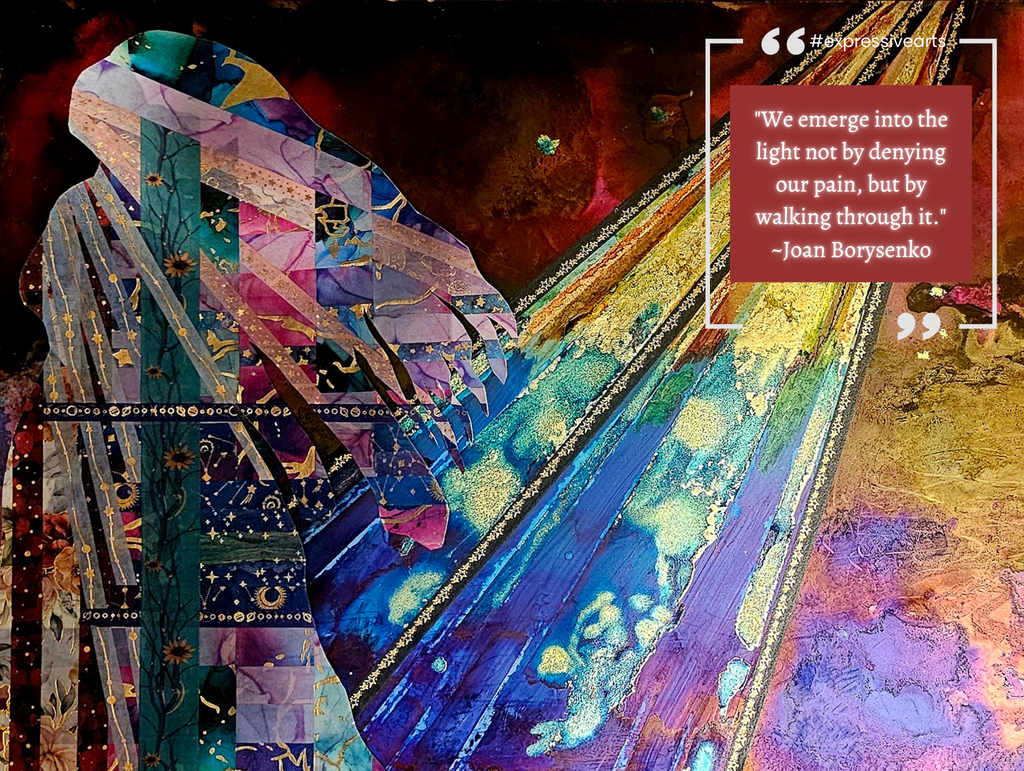
The main goal of individual therapy is to increase your understanding of your own thoughts, beliefs, and behaviors, and how they are all interrelated and impacting each other. How this is accomplished is guided by the theoretical approach of the therapist or clinician.
An integrative approach is not limited to structured protocols or predetermined goals. It includes whatever modalities make sense for the individual. Therapists may collaborate with individuals to identify the best paths for symptom reduction and restoration.
By starting with psychoeducation, learn how body sensations and voice can signal nervous system arousal states. This becomes a bridge to the mind-body connection and path to building interoceptive awareness (polyvagal theory, sensory integration).
Learn how to anchor to the life rhythms of natural cycles, finding flow through the nervous system states, and building intentional paths to restoration.
Join me to co-create a healing journey with creative expression & neurodivergent affirming approaches.
Integrated Approaches
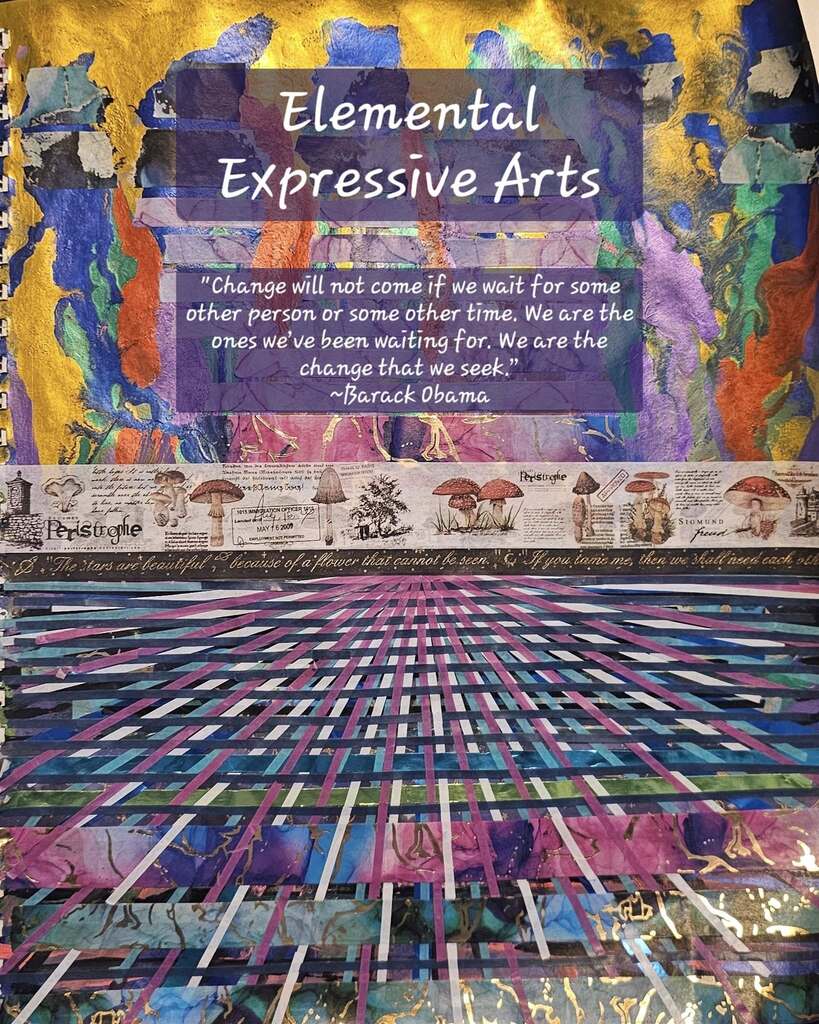
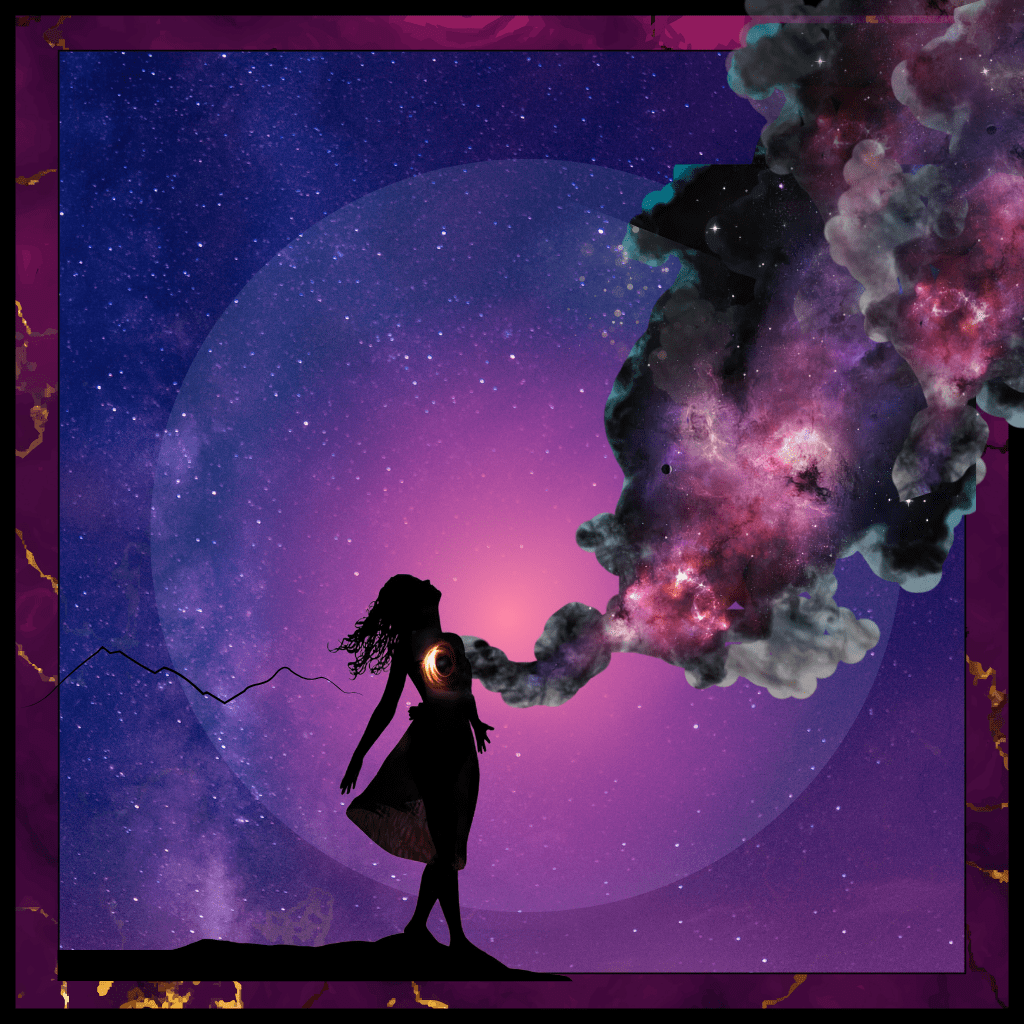
Create Magic in Daily Life
Reconnect to Creativity, Passion, & Purpose
Join us for a healing journey through curiosity, expression, and play. Be a co-creator, setting intentions, & choosing what feels right for you. We teach somatic discernment so your body can help guide the pace of your journey.
Therapeutic Approaches
Ladder out of Burnout

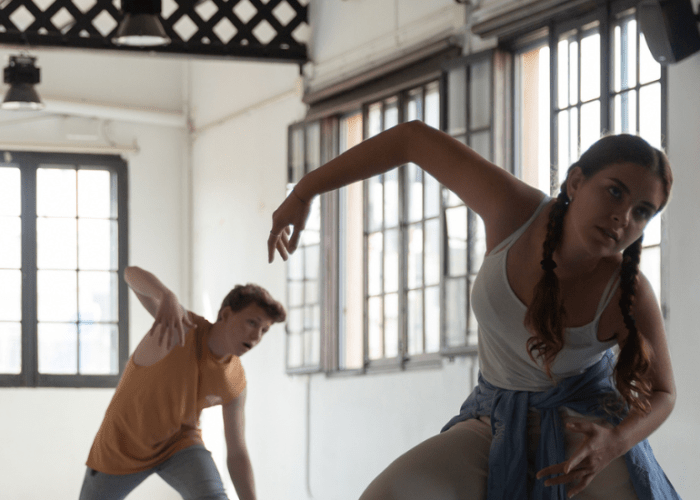
Climb the ladder out of burnout with Expressive Arts, Movement, Sound, & Breath We all face burnout at some point and need strategies to help us climb the ladder back to our desired state of being. A monthly expressive arts therapy group focused on movement & somatic therapy. Explore expressive movement as a form of […]
Continue reading “Ladder out of Burnout”
Bilateral Art Flow
Expressive Arts Therapy Open Studio Group A monthly expressive arts therapy group focused on bilateral art making. Bilateral art provides a multi-sensory experience that can provide release, flow, synchrony, & entrainment. Explore expressive art making with movement and music. Groups will consist of standing movement, art making, visual journal prompt, and discussion. Monthly groups for […]
Continue reading “Bilateral Art Flow”
Spiritual Resourcing with Expressive Arts Therapy
Expressive Arts Therapist Licensed Professional Counselor Board Certified-Registered Art Therapist A trauma-informed approach to exploring spirituality with expressive arts therapy. Learn how to improve your connection to self-energy or a source greater than self, to be defined within your own beliefs. Expressive arts therapy uses a multi-sensory approach to help you tune in to your […]
Continue reading “Spiritual Resourcing with Expressive Arts Therapy”